April 21, 2026
In the intricate world of automotive mechanics, the transmission and engine are two critical components that work symbiotically to ensure your vehicle's optimal performance. Ignoring issues in the transmission can lead to a cascade of engine problems, potentially resulting in hefty repair bills and significant vehicle downtime. This article explores the myriad reasons why prompt transmission repair is essential to prevent extensive engine damage.
1. Increased Engine Strain
The transmission plays a pivotal role in ensuring that power generated by the engine is effectively transmitted to the wheels. When there is an issue in the transmission, it can cause the engine to strain as it works harder to maintain vehicle speed and performance. In many cases, timely transmission repair can resolve these issues before they escalate into more serious mechanical problems. This increased stress not only affects the engine's efficiency but also accelerates wear and tear on integral components.
Engine strain due to transmission problems can manifest as a noticeable drop in performance. Drivers may find that their vehicles struggle to accelerate or maintain consistent speeds, even with the accelerator fully pressed. Seeking professional transmission repair at the first sign of trouble can help restore proper function and prevent further damage. Over time, this constant strain can reduce the overall lifespan of the engine, leading to more frequent repairs and replacements.
Moreover, the increased workload on the engine elevates fuel consumption significantly. This rise in fuel usage not only impacts the driver’s wallet but also increases the carbon footprint of the vehicle. Addressing underlying issues with prompt transmission repair can help improve fuel efficiency and overall performance. Additionally, excessive engine strain may cause overheating, which can further complicate engine health and lead to irreparable damage if not addressed promptly.
2. Transmission Slippage Effects
Transmission slippage occurs when the transmission fails to engage properly with the engine's power, resulting in delayed or unresponsive gear shifts. This lack of responsiveness can cause a significant safety hazard, especially during critical driving situations such as merging or overtaking. When the transmission slips, drivers might experience sudden and erratic movements that can compromise vehicle control.
The irregular power distribution from slippage can amplify the engine's workload. With the engine trying harder to compensate for the lost power, it creates additional friction and wear. The prolonged exposure to such conditions not only deteriorates the engine but also the transmission itself, necessitating costly repairs.
Ultimately, consistent transmission slippage leads to long-term engine damage as the persistent inefficiency in power transfer causes components to degrade prematurely. Regular maintenance and immediate attention to transmission concerns are crucial in protecting both transmission and engine longevity. It is worth noting that, according to Cartalk.com, most transmissions are built to last the full life of a vehicle, usually around 250,000 miles, reinforcing the importance of timely repairs to maximize this potential.
3. Contamination from Transmission Fluid
Transmission fluid is essential in lubricating, cooling, and cleaning the internal components of the transmission system. However, when leaks occur, it can expose the engine to unwanted contamination. Leaked fluid can come into contact with hot engine components, potentially leading to hazardous smoking, corrosive reactions, or even engine fires.
If transmission fluid overheats, it loses its effectiveness, allowing contaminants to enter both the transmission and the engine. Dirty fluid fails to provide the necessary lubrication and can cause key parts to grind against each other. This not only harms the transmission but also allows contaminants to spread, affecting engine components such as pistons and valves.
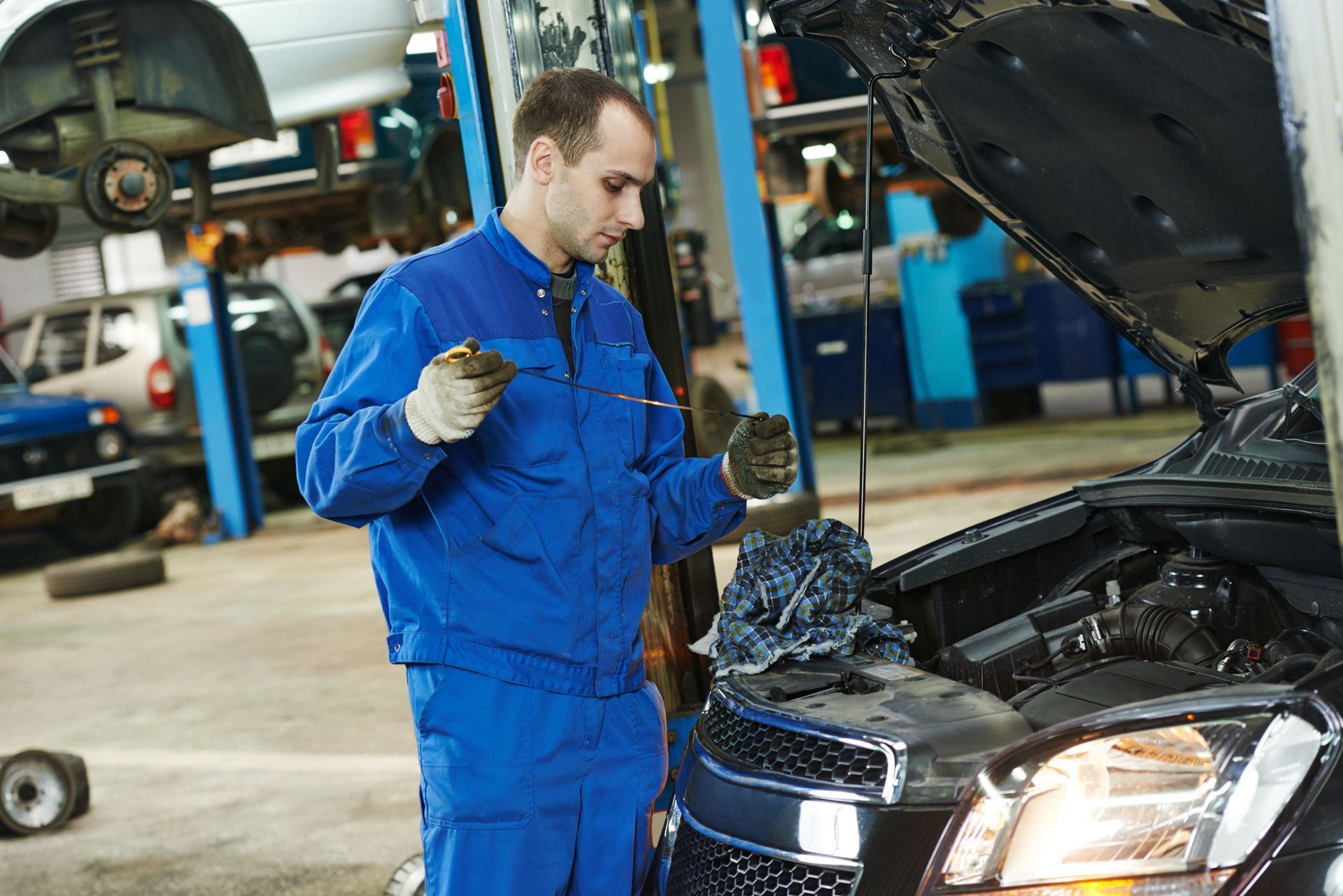
Maintaining proper fluid levels is paramount to preventing these unwanted scenarios. Regular checks and timely replacements help ensure the fluid's efficiency and reduce the likelihood of leaks. Vehicle owners should be aware of the symptoms of fluid leaks, like reddish puddles under the car, to promptly address issues and safeguard their engines from potential damage.
4. Engine and Transmission Synchronization Issues
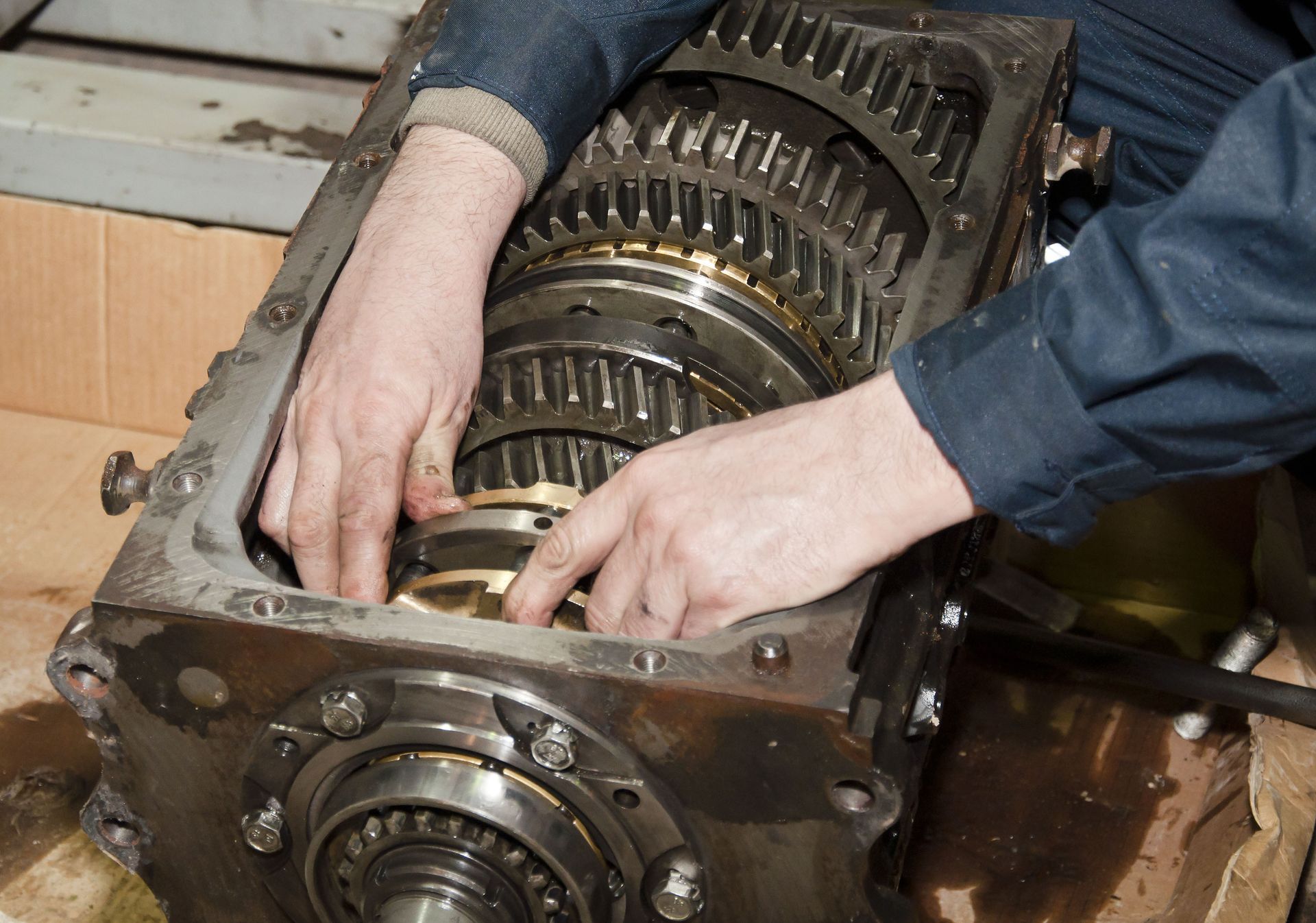
Proper synchronization between the engine and transmission is critical for smooth vehicle operation. Misaligned gear ratios can lead to inconsistent power distribution, causing the engine to work harder than necessary. This misalignment can create imbalances that are felt as vibrations, noises, or jerks during driving, detracting from the overall driving experience.
Such synchronization issues strain the timing belt and chain, which are responsible for maintaining the precise timing of engine operations. If these components face excessive stress, they are at risk of premature failure, which can result in a sudden breakdown if not regularly monitored and replaced as necessary. The timing belt/chain failure is often associated with catastrophic engine damage, leading to substantial repair costs.
Power distribution challenges can also disrupt the engine's timing, affecting combustion efficiency. This disruption has direct consequences on the fuel injection process, leading to poor fuel economy and increased emissions. Addressing synchronization issues promptly not only protects the engine but also ensures that the vehicle remains eco-friendly and efficient on the road. In many cases, professional transmission repair plays a key role in restoring proper timing and overall system balance.
5. Ignition and Starting Problems
Delaying transmission repairs can lead to starting difficulties and ignition issues. Transmission-induced start failures are common when the transmission can't register the vehicle as being in park or neutral, preventing the engine from starting. This can leave drivers stranded and cause unnecessary inconveniences in daily life.
Furthermore, problems with the transmission can interfere with modern engine start-stop systems. These systems are designed to save fuel by automatically shutting off the engine when the vehicle is idling, but transmission issues can cause them to malfunction. A malfunctioning start-stop system not only affects fuel economy but also strains the battery by increasing the number of start cycles.
The vehicle’s intricate sensor systems, designed to monitor engine performance and efficiency, can also be impacted. Transmission issues may provide incorrect data to these sensors, which in turn can cause incorrect engine management adjustments. Over time, this can put excessive strain on the starter motor, further complicating repair needs and potentially shortening battery life.
6. Catalyst for Further Engine Problems
Transmission problems are often precursors to more severe engine defects. The interconnection between these components means that issues in one area can exacerbate problems in another. As such, addressing small transmission problems early can prevent a chain reaction of component failures that compound repair costs.
Minor problems such as fluid leaks or gear slippage can quickly escalate if left unattended. What begins as a simple fix may turn into a complex mechanical issue requiring extensive repairs. This escalation is not only costly but also detracts from the long-term reliability of the vehicle, potentially reducing its resale value.
The most significant impact of delayed transmission repairs is the financial burden of escalating repair costs. The engine and transmission are among the most expensive components to repair or replace. Regular maintenance and prompt repairs help circumvent these financial pitfalls while maintaining the vehicle's reliability and performance over its life span.
Delaying transmission repairs can initiate a domino effect of issues that ultimately compromise your engine's performance and longevity. By understanding the interconnected nature of these automotive components, vehicle owners can appreciate the importance of addressing transmission issues promptly. Protecting your engine from damage not only ensures a smoother driving experience but also saves you considerable expense and inconvenience in the long run. If you're looking for expert transmission repair, reach out to the experts at HI-TECH Transmission & Auto Center today!