August 10, 2026
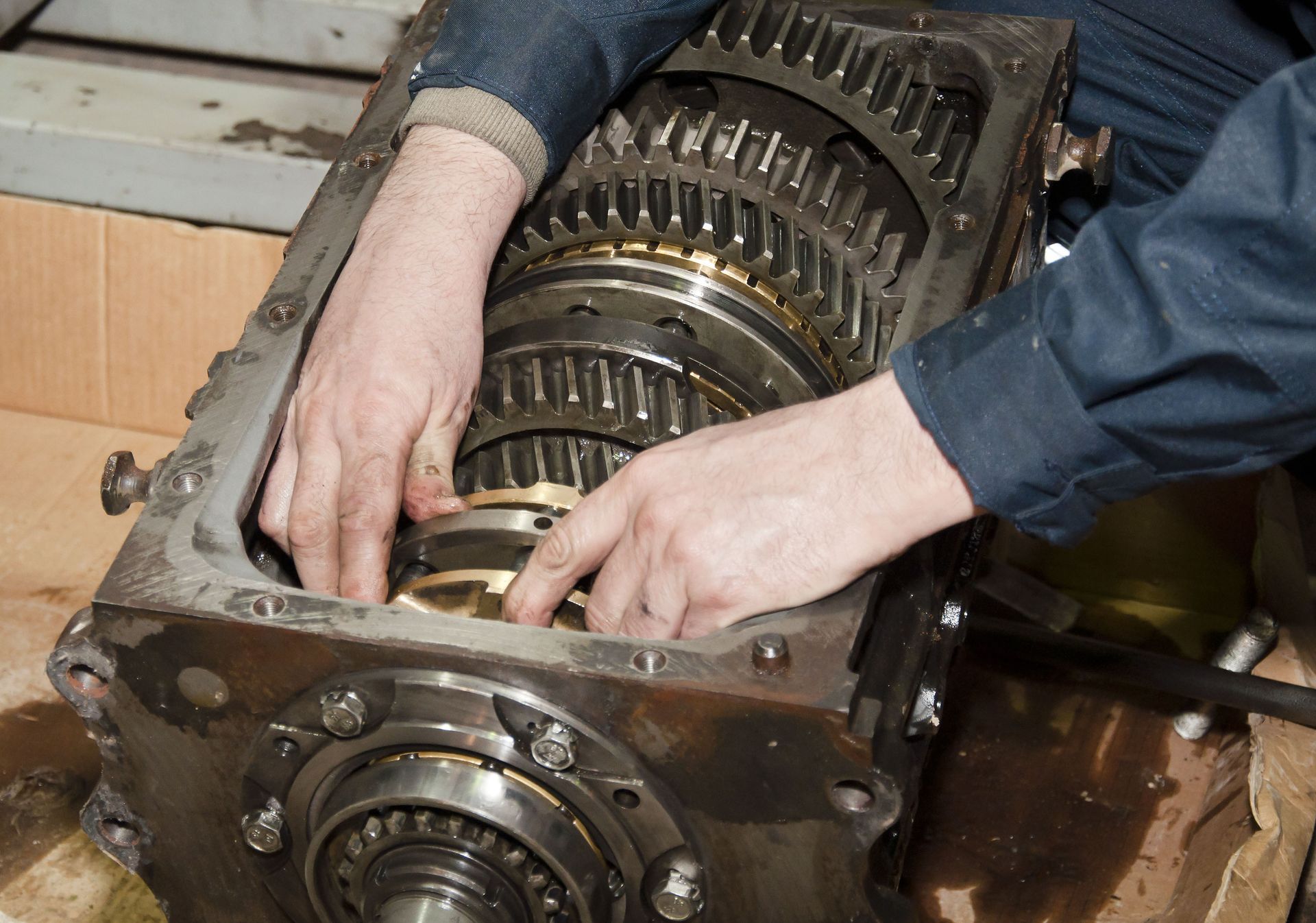
A vehicle depends on countless systems working together, but few are as important as the transmission. Responsible for transferring power from the engine to the wheels, this component influences everything from acceleration and responsiveness to comfort and efficiency. When the transmission begins to fail, drivers often notice rough shifting, hesitation, unusual noises, or inconsistent performance that can make every trip less enjoyable and less dependable.
Choosing transmission replacement when repairs are no longer practical can dramatically change how a vehicle feels on the road. Rather than simply addressing a single mechanical problem, replacing a worn transmission can restore the balance between the engine, drivetrain, and other connected systems. The result is often a smoother, more confident driving experience that helps extend the usefulness of the vehicle while improving everyday comfort.
Restoring Smoother Gear Changes
One of the first improvements drivers often notice after transmission replacement is the return of smooth, predictable gear changes. A healthy transmission shifts seamlessly between gears, allowing the engine to operate within the appropriate range without unnecessary strain or hesitation. When internal components wear down, shifting can become abrupt, delayed, or inconsistent, affecting both comfort and overall vehicle control.
Restored shifting performance also contributes to a more refined driving experience in a variety of situations. Whether navigating city traffic, merging onto highways, or traveling through changing terrain, consistent gear engagement allows the vehicle to respond naturally to driver input. Instead of distracting jerks or unexpected delays, the drivetrain functions as intended, helping every trip feel more controlled and comfortable.
Beyond comfort, smooth gear transitions reduce unnecessary stress throughout the drivetrain. Components that work together efficiently experience less shock during operation, allowing the entire system to perform more harmoniously over time.
Improving Power Delivery
The transmission plays a central role in delivering engine power to the wheels. Even an engine operating perfectly cannot perform at its best if the transmission struggles to transfer that power effectively. Worn internal parts may create slipping, delayed engagement, or inefficient operation that limits overall performance.
A properly functioning transmission replacement helps restore the intended relationship between engine output and wheel movement. Drivers frequently experience stronger acceleration, more predictable throttle response, and improved confidence when the vehicle needs to respond quickly. Instead of feeling sluggish or uncertain, the vehicle reacts with greater consistency during everyday driving.
Improved power delivery also enhances the driving experience under changing conditions. Climbing hills, carrying passengers, or traveling with cargo places additional demands on the drivetrain. A healthy transmission allows those demands to be handled more effectively, supporting balanced performance without unnecessary strain.
The improvement is not simply about speed. It is about restoring the harmony between mechanical systems so the vehicle performs the way it was designed to perform.
Enhancing Driving Confidence
Reliable performance creates confidence behind the wheel. When drivers constantly wonder whether the transmission will hesitate, slip, or make unusual noises, every trip becomes more stressful. Mechanical uncertainty affects both comfort and peace of mind.
Installing a quality transmission replacement can eliminate many of those concerns by restoring dependable operation throughout daily driving. Drivers gain greater confidence when accelerating into traffic, passing slower vehicles, or navigating changing road conditions because the vehicle responds consistently to normal driving inputs.
Confidence also comes from predictability. Smooth engagement, reliable shifting, and steady performance reduce distractions that might otherwise draw attention away from the road. Instead of focusing on unusual vehicle behavior, drivers can concentrate on safe driving.
This renewed sense of dependability often improves the overall ownership experience. A vehicle that performs consistently allows owners to enjoy daily transportation without constantly anticipating the next mechanical issue.
Supporting Better Efficiency
Vehicle efficiency depends upon many interconnected systems working together properly. When the transmission struggles to engage gears efficiently, the engine may work harder than necessary, consuming additional fuel while producing less effective performance.
Replacing a severely worn transmission helps restore the proper relationship between engine speed and vehicle movement. Although overall fuel economy varies based on driving habits, maintenance, vehicle condition, and operating environment, a healthy transmission allows the drivetrain to function as designed instead of compensating for internal mechanical problems.
Efficient operation also contributes to smoother driving habits. Consistent shifting encourages gradual acceleration and more balanced engine performance, helping the vehicle operate within its intended parameters. Rather than fighting against mechanical limitations, the powertrain works together with greater precision.
Drivers often appreciate that improved efficiency is accompanied by better responsiveness and smoother operation, creating a more enjoyable driving experience overall.
Protecting Connected Vehicle Systems
The transmission does not operate independently. It works alongside the engine, drivetrain, cooling system, and numerous supporting components that all contribute to overall vehicle performance. Problems affecting one system frequently influence the others over time.
A dependable transmission replacement helps reduce unnecessary stress placed on connected mechanical components. Proper gear engagement allows power to move efficiently throughout the drivetrain while minimizing excessive vibration, slipping, and shock that can contribute to additional wear.
Supporting connected systems can also improve long-term reliability. Mechanical components designed to work together experience less strain when each part performs its intended function. Balanced operation helps preserve the overall condition of the vehicle while reducing the likelihood that transmission-related issues will create secondary problems elsewhere.
Drivers benefit from a vehicle that feels more refined because the entire powertrain operates as a coordinated system rather than compensating for failing transmission components.
Reducing Long-Term Operating Concerns
Major vehicle repairs naturally lead owners to consider long-term value. While replacing a transmission represents a significant investment, it may provide meaningful benefits for vehicles that remain otherwise dependable and well maintained.
According to Cartalk, replacing the transmission in a modern vehicle can run $5,000 or higher. Because of that investment, understanding the broader impact on performance and reliability becomes an important part of the decision-making process.
Choosing transmission replacement when appropriate can help restore dependable operation while allowing owners to continue using a familiar vehicle that still meets their transportation needs. Rather than constantly managing recurring transmission symptoms, drivers often regain confidence in daily reliability and overall performance.
Long-term satisfaction also comes from knowing the drivetrain is functioning properly again. Reliable operation can make ownership more enjoyable while supporting the vehicle’s continued usefulness for everyday travel.
Preserving Overall Driving Enjoyment
Vehicle ownership extends beyond simply reaching a destination. Comfort, responsiveness, quiet operation, and predictable handling all contribute to a positive driving experience. When transmission problems develop, those qualities often diminish together.
A properly completed transmission replacement helps restore the balanced performance drivers expect from their vehicles. Smooth acceleration, dependable shifting, and consistent responsiveness create a driving experience that feels natural rather than uncertain. Everyday errands, commutes, and longer trips become more comfortable because the vehicle performs with greater consistency.
Improved performance can also reduce driver fatigue. Constantly anticipating hesitation, harsh shifting, or unexpected behavior requires additional attention that can make routine driving more stressful. Reliable operation allows drivers to focus on the road instead of worrying about mechanical issues.
Ultimately, restoring the transmission supports the overall character of the vehicle. The improvements extend beyond a single component by enhancing comfort, confidence, responsiveness, and long-term satisfaction throughout everyday driving.
A healthy transmission influences nearly every aspect of vehicle performance, from smooth shifting and efficient power delivery to reliability and driving confidence. When severe wear or internal damage prevents dependable operation, transmission replacement can restore the balanced relationship between major drivetrain components, allowing the vehicle to perform more consistently and comfortably.
Making informed decisions about transmission service helps protect the overall value and dependability of a vehicle. Understanding how a replacement affects performance allows owners to evaluate their options with greater confidence while focusing on long-term reliability instead of temporary solutions.
If your vehicle is experiencing transmission problems and you want experienced guidance about the best path forward, contact HI-TECH Transmission & Auto Center. We can evaluate your vehicle, explain your available options, and help you restore dependable performance with professional service tailored to your needs.